DEAF & DISABILITY ARTS EXHIBITION
JANUARY 9 - FEBRUARY 20, 2026
Opening Reception JANUARY 9, 5-8 pm
ARTISTS IMAGE RESOURCE
518 Foreland St, Pittsburgh, PA 15212
Emily Cadegan
Lyss Cypher
Zo Geist
Fran Ledonio Flaherty
Daniel Gruner
Khaliah Guenther
Margo Harris
Mónica Ortiz-Menier
Honey Rosenbloom
Pepper Rueda
Soft Bound | Mack
Nihan Su
River White
the Woodlands Foundation
Anthropology of Motherhood’s Deaf and Disability Arts Exhibit marks a powerful milestone—ten years after We Art Here (2016), Pittsburgh’s first disability arts exhibition, curated by Anthropology of Motherhood founder Fran Flaherty and presented during the 25th anniversary of the ADA in partnership with the Three Rivers Arts Festival and the Kennedy Center’s LEAD conference. Building on that groundbreaking foundation, this new exhibition advances Anthropology of Motherhood’s commitment to cultivating disability arts in Pittsburgh by increasing awareness of disability justice and amplifying Deaf and disabled artists’ creative expressions. Featuring accessible programming, community dialogue, and innovative interdisciplinary work, the exhibit strengthens Pittsburgh’s growing role as a hub for disability arts. This event is generously supported by the Pittsburgh Foundation and the Opportunity Fund.
ANTHROPOLOGY of MOTHERHOOD
Anthropology of Motherhood
DEAF & DISABILITY ART EXHIBITION
Deaf & Disability Art Exhibition
January 9 - February 20, 2026
ARTISTS IMAGE RESOURCE
518 Foreland St, Pittsburgh, PA 15212
Opening Reception • January 9, 5-8 pm
Anthropology of Motherhood’s Deaf and Disability Arts Exhibition marks a powerful milestone—ten years after We Art Here (2016), Pittsburgh’s first disability arts exhibition, curated by Anthropology of Motherhood founder Fran Flaherty and presented during the 25th anniversary of the ADA in partnership with the Three Rivers Arts Festival and the Kennedy Center’s LEAD conference. Building on that groundbreaking foundation, this new exhibition advances Anthropology of Motherhood’s commitment to cultivating disability arts in Pittsburgh by increasing awareness of disability justice and amplifying Deaf and disabled artists’ creative expressions. Featuring innovative interdisciplinary work, the exhibit strengthens Pittsburgh’s growing role as a hub for disability arts. This event is generously supported by the Pittsburgh Foundation and the Opportunity Fund.
Artists
Please Note
The following selected quotes and statements accompany the works of the artists.To learn more about specific artists and their work, scroll up to click on the name of each artist, or click on the artist’s name which links to their personal page on the website.
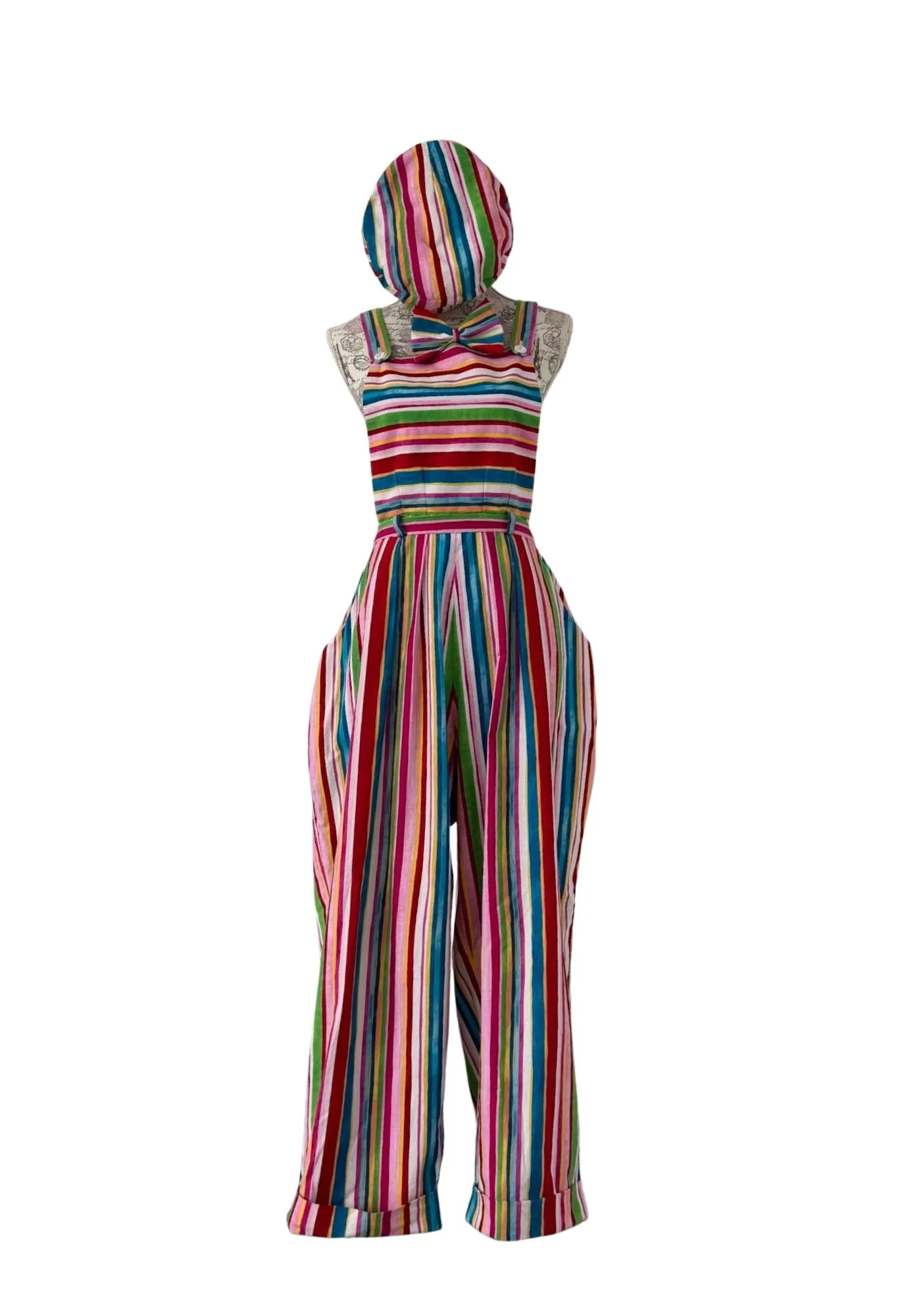
This new pair of clown pants symbolizes navigating disabled adulthood with dignity and joy. . .they celebrate both the tools I have and a family tradition of care.
— Emily Cadegan
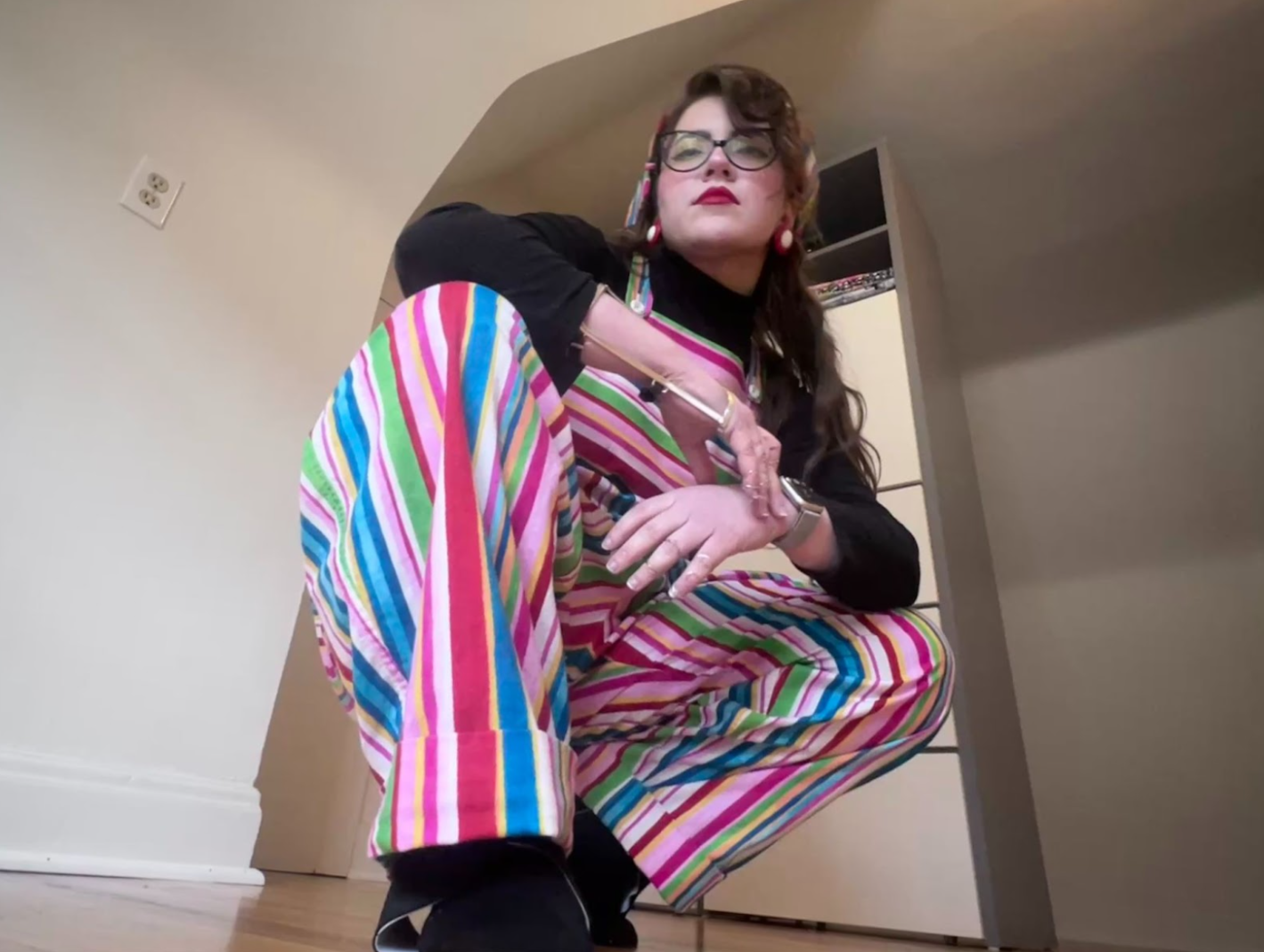
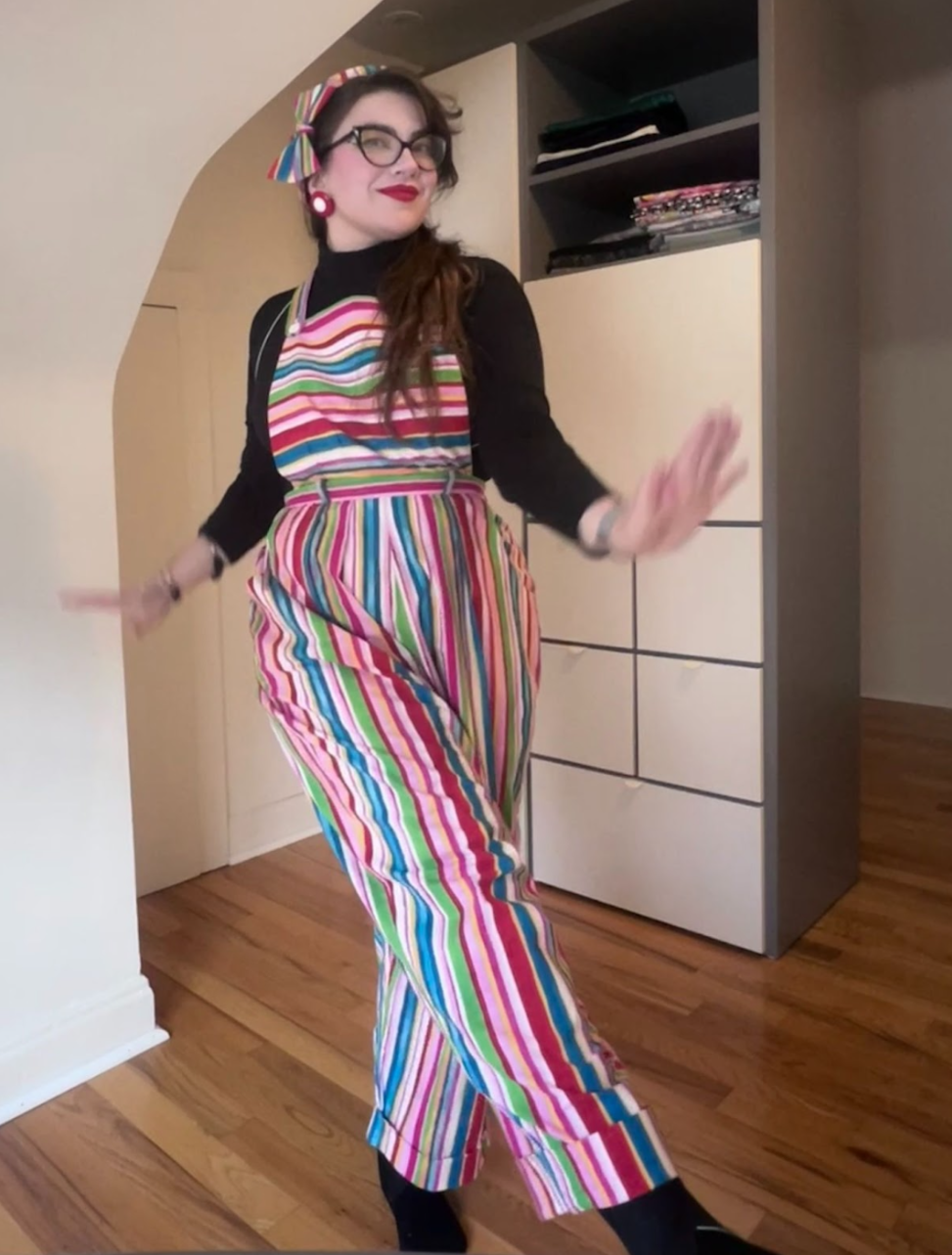
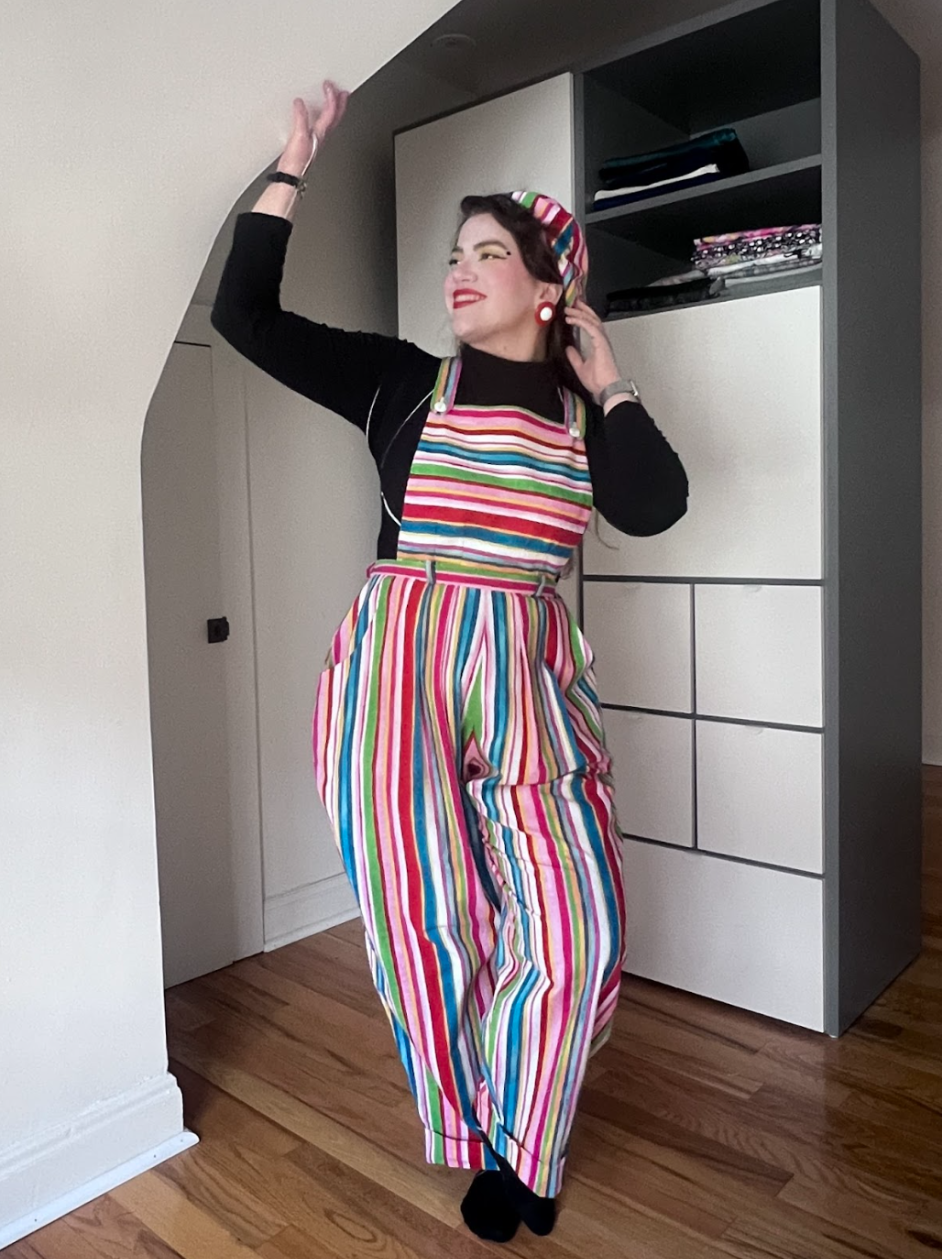
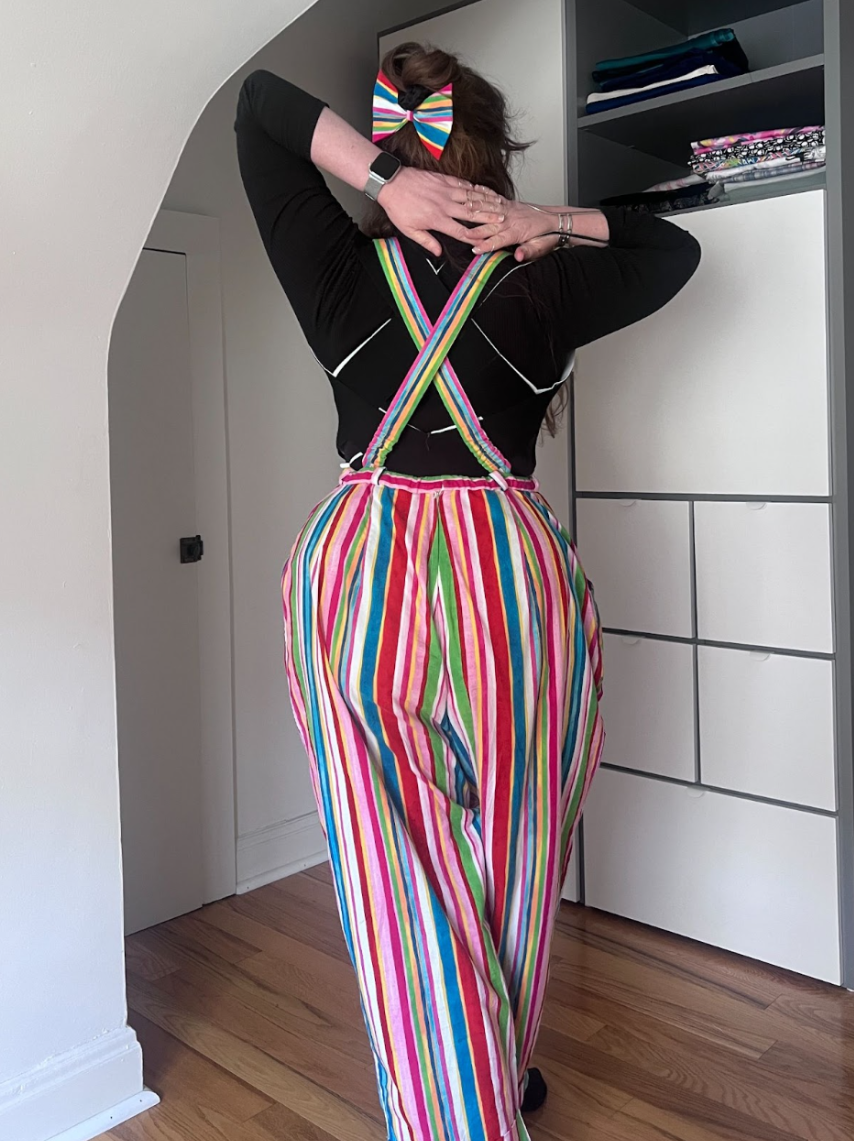
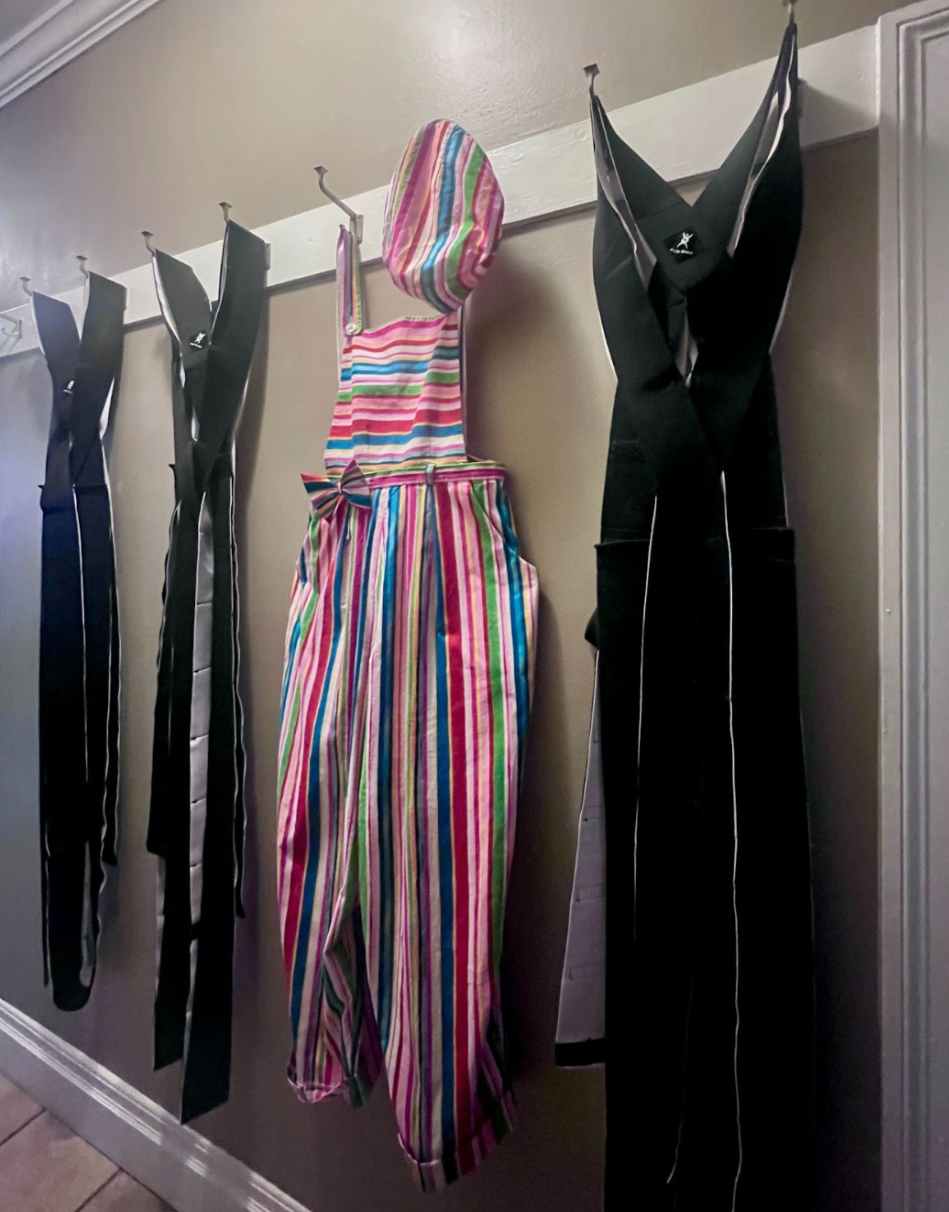
Emily Cadegan
Clown Pants (After Granny), 2024
Sewn overalls, beret, interwoven elastic and velcro, 52 x 23 inches
These overalls represent a reclamation of my body and the creation process speaks to family traditions. The ensemble is designed with disability in mind, and is reactive to the proprioceptive mobility aid, the Body Braid, that I wear daily for Ehlers-Danlos Syndrome. This medical equipment enables me to participate in community life with less fatigue and fewer sprains, but wearing the braid creates a sartorial boundary. The thick, black elastic crosses across the torso and down the legs. Even if I wear it under garments, the compression changes how clothes fit my form. The convertible configuration of the overalls is responsive both to the physical boundaries from the Body Braid and to the way I exist in space, and is made of both self-drafted components and modified patterns.
In addition to functional use, this piece represents a breakthrough in my treatment plan for chronic hand pain. After nearly 20 years of debilitating symptoms, a hypermobility physical therapist identified the issue as flat arches in my hands. I have been able to build my strength thanks to targeted treatment, enabling me to do more: the straps and bow are the first things that I made entirely with handwork since my father taught me how to sew in my childhood.
The design itself is based heavily on the rainbow overalls that my granny sewed for my dad when he was a volunteer clown, which he then passed on to me as a teenager. Wearing something bright and colorful that represented generational love and human endeavor made me happy during a time characterized by my body and mind unwinding to extents I’d yet to experience. This new pair of clown pants symbolizes navigating disabled adulthood with dignity and joy, and they celebrate both the tools I have and a family tradition of care.
“Caring for each other. . .was as essential a part of daily life as eating or sleeping. The artificial boundaries of the nuclear family blurred where care felt abundant. . .Through the loneliest times within the forced isolation of capitalism and individualism, there is always the memory and the dream of care alongside the softness of its liberation.”
“My work aims to ask how one’s (dis)ability might affect how they move throughout the world as a shared community, and how one’s identity and actions can both impact and shape that community.”